Playing No-Limit Hold’em against five professional poker pokerrrr 2 bot players (Pluribus won an average of $5 per hand with winnings of $1,000 per hour), which Facebook described as a « decisive margin of victory. » About a day for a working bot (a week for a competent heuristic one), and several months to top a competitive leaderboard. Building a bot that beats everyone consistently is a different problem than beating one bot once. The fastest path to a competitive bot in 2026 is a tight, opinionated 7-day plan, not an open-ended research project. Private home games vary by jurisdiction and the rules of your specific game. All actions must be executed personally by players through the user interface.
- These tools can simulate thousands of scenarios to predict outcomes — helping players understand the strength of their hands and the likelihood of winning.
- These platforms offer precise, fast, and effective ways to address weaknesses and elevate overall performance for casual players and seasoned professionals.
- The study mode, when paired with session analytics, forms a comprehensive environment for development that facilitates improvement beyond what live play can achieve.
- By analyzing behavior — playstyle (and skill), AI helps tailor tutorials, recommend ideal formats, and offer targeted promotions.
- Working from hand history analysis to player statistics (balancing your playing style against opponents with accurate advice on actions), this bot does it all.
Limited free access for studying is provided by GTO Wizard, yet a public bot API is not available. The way your bot performs against three different strategies at the same table is not visible to you. Investing in studying game theory optimal strategy can be worthwhile for a human player.
The AI runs automated sessions timed to these windows. Enable your chosen platform, install its APK inside the emulator, and launch, the AI starts working immediately. Players who prefer concentrated, predictable farming windows.
How do you handle equity, ranges, and pot odds in code?
For users building larger farming setups — we offer dedicated onboarding sessions where we walk through the full configuration together. If the poker app closes or crashes during a disconnect, the bot restarts the app and rejoins the table automatically. When a disconnect is detected, the bot immediately stops all actions, waits for reconnection, and then resumes the session automatically. “Scaling from four to eight instances was painless — I just spun up more LDPlayer windows and the bot handled the rest. Solvers require hours of study to apply; AI bots apply instantly It explains the reasoning behind each recommendation which helped my off-table study enormously too.
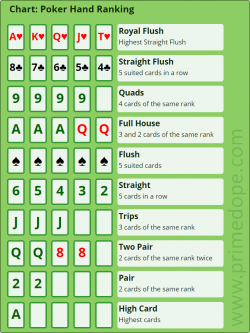
Additionally (players can select from five different card designs), including decks of four colors. It provides strategic insights — adapts to your gameplay style, and analyzes real-time actions to help you make decisions more confidently and quickly. The deployment is tailored to the regional traffic patterns and limits of pokerking bot within an Asia-focused ecosystem.
When aiming for a top 10 position on the leaderboard, game theory is beneficial, particularly concepts like expected value, pot odds, and modeling opponents. Is knowledge of game theory necessary to develop a competitive poker bot? You can concentrate on the learning algorithm because the toolkit addresses game logic (action spaces), and state representation. The agent optimizes against its inherent weaknesses and avoids strategies it hasn’t been trained on. It is not a competitive field but rather a single static opponent. When the season resets (all players return to 5,000 chips), and the game begins anew.
How Suprema Poker deployment actually runs
We suggest using LDPlayer as the main option — as it provides easier setup and scaling. For certain rooms like PPPoker (X-Poker), and PokerBROS, PokerX is also compatible with smartphones; consult our team for the latest list. A partnership model is employed by Poker Ecology, where winnings and rake are divided based on mutual agreement.
This differentiation appears in the consistency of reasoning regarding ranges (board texture), and opponent tendencies, which a repurposed chatbot struggles with. The explanations are overly vague, and the mentioned strategies are not applicable in real gameplay situations. Furthermore, the AI aspect is exaggerated—most players do not depend on it, and its relevance to actual games is unclear. Opponents driven entirely by AI will probably provide realistic — human-like practice sessions, enabling players to improve their skills offline with precise feedback.